
Center for Used Fuel Research
Creating the world’s premier knowledge hub for used nuclear fuel management
Center for Used Fuel Research Mission
The Department of Energy’s Center for Used Fuel Research (CUFR) will develop innovative technologies and solutions, conduct applied research that helps support and maintain regulatory compliance, and enable public confidence in the storage and transportation of commercial and DOE-managed used nuclear fuel.
Hosted at Idaho National Laboratory (INL), the CUFR will focus on used nuclear fuel performance, canister aging, and fostering innovation through collaboration. To support this mission, the Director of the CUFR will be located at INL, while the Chief Technology Officer will be based at Oak Ridge National Laboratory (ORNL), affirming ORNLs support and contributions to CUFR.
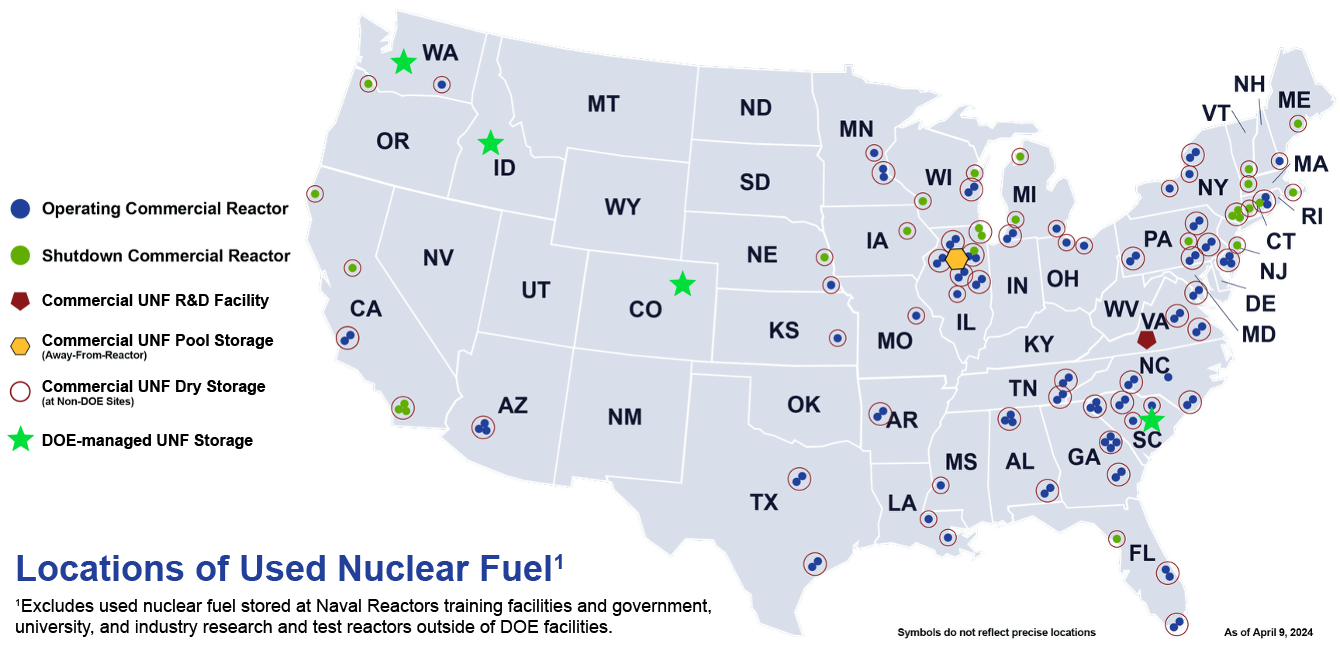
How CUFR Supports the U.S. UNF Management
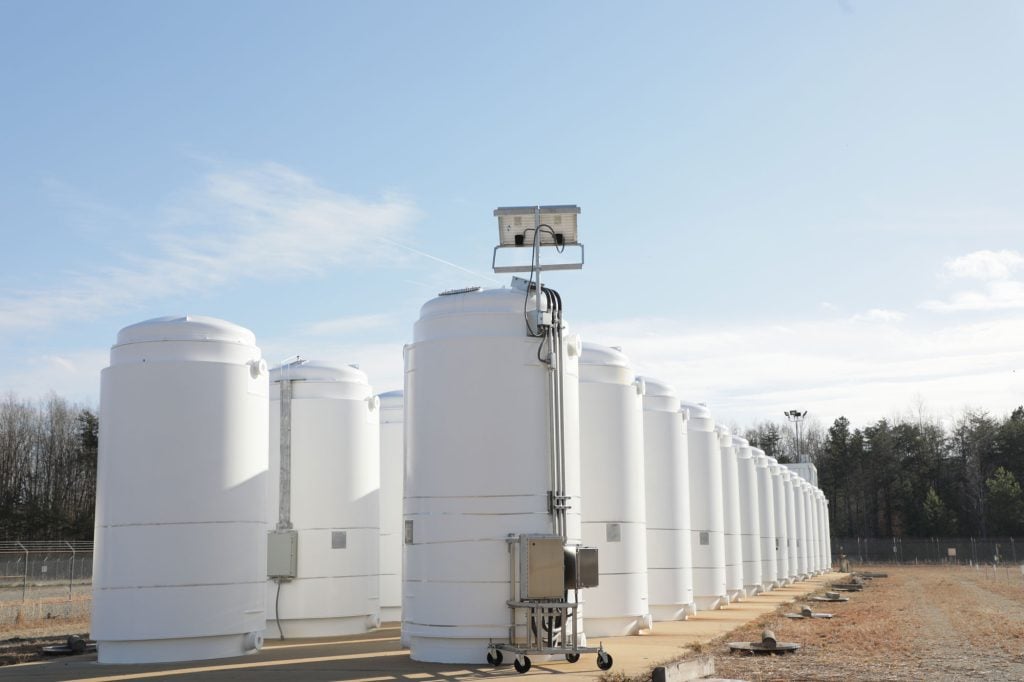
Reduce DOE's liability
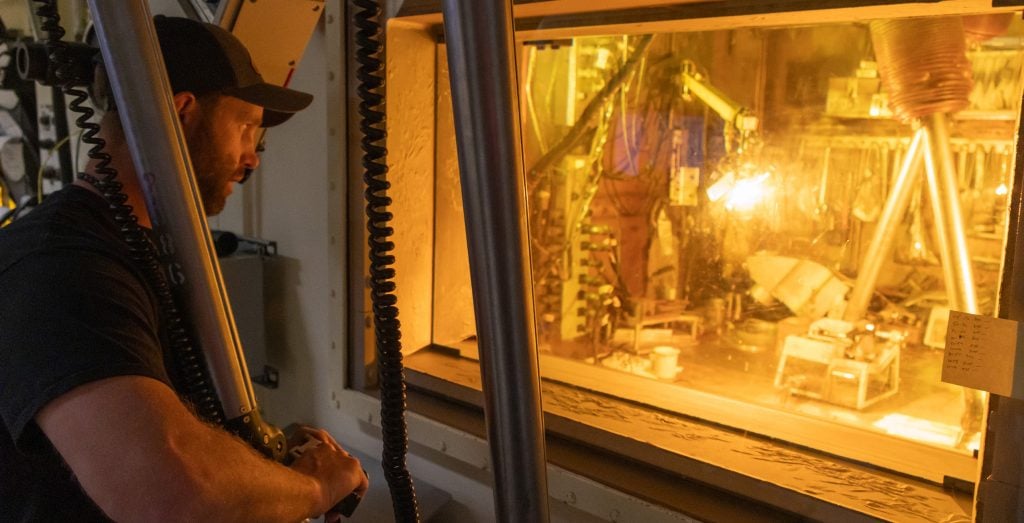
Execute best practices
Regulatory support for storage
Latest News
Frequently Asked Questions
1. Are “used nuclear fuel” and “spent nuclear fuel” the same thing?
2. Why does the U.S. Department of Energy (DOE) have a responsibility to manage spent/used nuclear fuel (especially commercial spent/used nuclear fuel)?
3. How is commercial spent/used nuclear fuel currently stored?
4. How does the Center for Used Fuel Research fulfill the 1995 Idaho Settlement Agreement that designates INL as the lead laboratory for spent nuclear fuel?
5. Why was INL selected as the host of the Center for Used Fuel Research?
INL was chosen as the host for the Center for Used Fuel Research because it is DOE’s lead laboratory for nuclear energy research and development, offering
unparalleled infrastructure, technical expertise, and decades of experience in fuel cycle science. INL houses specialized facilities such as the Hot Fuels Examination Facility (HFEF) and capabilities at the Idaho Nuclear Technology and Engineering Center (INTEC) that are essential for opening casks, examining fuel, and generating data to support licensing, innovation, and long-term storage and transportation decisions. These facilities, combined with INL’s leadership in fuel cycle innovation, enable researchers to conduct evaluations that strengthen safety and performance. These exceptional capabilities make INL the ideal choice to lead research that ensures safe, long-term management of spent or used nuclear fuel while advancing technologies for future nuclear systems.
6. Will designating INL as the location of the Center for Used Fuel Research increase the amount of spent/used nuclear fuel stored at INL?
7. Will this designation result in any increase in funding and/or employment at INL?
8. How will the Center for Used Fuel Research interact with industry, universities, and international partners?
9. Will the Center for Used Fuel Research conduct research on disposal of spent/used nuclear fuel?
10. Will the Center for Used Fuel Research work on recycling/reprocessing technologies?
11. How is spent/used nuclear fuel transported, and how frequently does transportation occur?
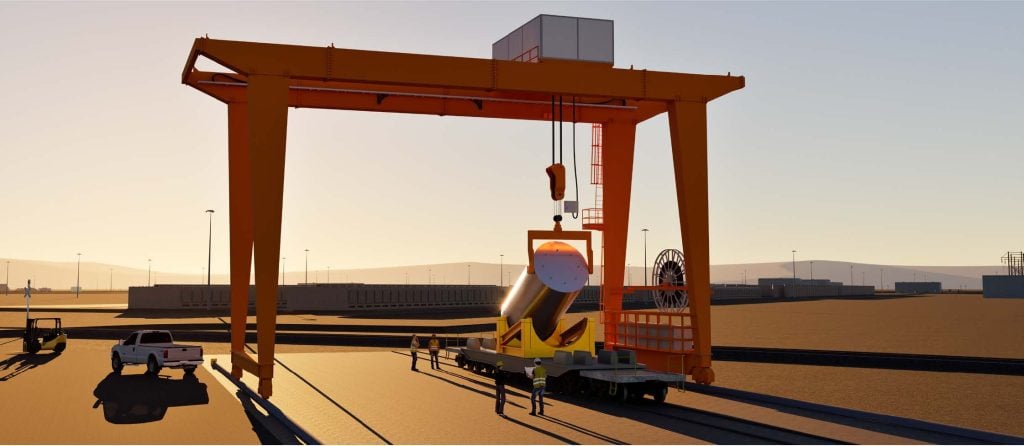
Spent/used nuclear fuel is transported in specialized shielded transport casks by rail, truck, or barge under strict regulations to ensure safety and security. Transportation of used nuclear fuel has been accomplished routinely and safely in many countries around the world, including the United States, for decades. For a historical review, please see: A Historical Review of the Safe Transport of Spent Nuclear Fuel.
12. Idaho Gov. Brad Little recently approved a shipment of used nuclear fuel from the North Anna Power Station to INL for research purposes. When will that shipment take place and what kind of research will take place at INL using that spent/used nuclear fuel?
13. What is the High Burnup Research Cask?
The U.S. Department of Energy (DOE) and Electric Power Research Institute – which conducts research on behalf of U.S. electric utilities – started a research project in 2013 to collect data on high burnup spent/used nuclear fuel needed for storage, that resulted in the loading of 32 high burnup spent/used nuclear fuel assemblies into a dry storage system (cask), the High Burnup Research Cask (HBURC), and placing it on a storage pad at the North Anna Power Station in 2017. The cask is equipped with instrumentation to monitor internal temperatures and other parameters throughout its storage life. In 2027, the cask will be transported to INL for further testing, including opening the cask to remove some of the spent/used nuclear fuel and analyze it in INL’s hot cells. This data will support long-term storage safety evaluations for spent/used nuclear fuel storage for the nuclear industry and DOE. The following link provides more information on the High Burnup Research Cask. https://www.energy.gov/ne/articles/inside-one-nations-biggest-research-projects-spent-nuclear-fuel